
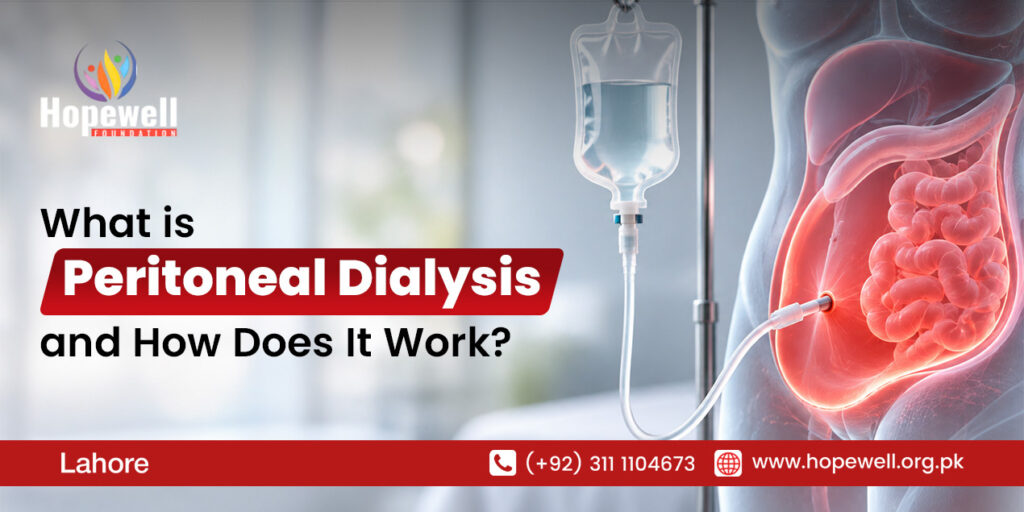
Peritoneal Dialysis is one of the life-saving treatments for patients suffering from kidney failure. Compared to haemodialysis (which we either perform in clinic or at home), peritoneal dialysis requires to performe at home. The purpose of this dialysis treatment is to remove excess fluid and toxins from the patient’s blood because their kidneys fail to do so. In this guide, we will learn in detail;
- What peritoneal dialysis is
- Types of peritoneal dialysis
- How it works
- Its benefits
It will help kidney patients choose the right care plan to receive better outcomes without having complications:
What is Peritoneal Dialysis?
Peritoneal dialysis uses blood vessels in the lining of the peritoneum or abdomen to filter waste from the patient’s blood. The operator uses a cleansing solution, known as dialysate, to perform the dialysis session. It is a home-based dialysis treatment that comes with fewer food restrictions and medications. This is the reason peritoneal dialysis is a first choice for patients who cannot make frequent visits to clinics.
How Does Peritoneal Dialysis Work?
Peritoneal dialysis does not require a machine (used in haemodialysis). Instead, it cleans the patient’s blood inside their body by using the natural lining of the abdomen, also known as the peritoneal membrane. This membrane works as a natural filter to eliminate waste from the blood. Look at the following points to understand how peritoneal dialysis works:
Placement of Surgical Catheter
Before starting the dialysis process, a surgeon places a soft, flexible silicone tube (also known as a catheter) into the lower abdomen of patients. This is a permanent entry point that acts as a secure gateway to pour cleaning fluid into your body, which drains out once the filtration process is complete.
Filling and Dwelling
Dialysate, which is a cleansing fluid, flows through the catheter into the patient’s abdominal cavity. The fluid then dwells or rests inside the abdomen for several hours. This cleansing fluid draws waste, toxins, and extra water out of the tiny blood vessels in the patient’s abdominal lining.
Draining and Exchanging
Once the cleansing fluid gathers the waste from the blood, it drains out through the catheter into a disposable bag and replaces with fresh cleaning fluid. The operator repeats the process a few times a day or night, depending on the patient’s preference.
Types of Peritoneal Dialysis
Generally, we perform peritoneal dialysis in two different categories. These include continuous ambulatory peritoneal dialysis (CAPD) and automated peritoneal dialysis (APD). Both types are suitable, and patients choose the one based on their personal situation and preference.
Continuous Ambulatory Peritoneal Dialysis (CAPD)
This is a continuous treatment process that requires no machine. Patients can perform this treatment 3 to 5 times a day within a clean environment. It does not require any special space or setting; you can do it at home, at your workspace, or while travelling. This is the reason we label this category as ambulatory dialysis treatment. Patients can move freely anywhere, anytime, without any worries.
Automated Peritoneal Dialysis (APD)
Automated Peritoneal Dialysis (APD), compared to CAPD, requires a machine – called a cycler. To perform APD, patients can choose between a variety of different times and environments to perform dialysis sessions. Healthcafre professionals perform APD as one longer session (during sleep) or multiple shorter sessions during the day and night, based on your suitability.
Note: Everyone has different lifestyles and habits, so it is advisable to contact your nephrologist and then choose your treatment process based on what fits you.
What are the Benefits of Peritoneal Dialysis?
Because peritoneal dialysis works continuously within the patient’s body without relying on a machine, it comes with exceptional lifestyle and health benefits:
- Quick Relief: Peritoneal dialysis is the best treatment to immediately remove toxins or waste from the patient’s blood. It helps them feel better and avoid symptoms like swelling or nausea.
- Flexible Option: Patients can receive this life-saving treatment at home and can set their own schedule, ensuring more flexibility.
- A Needle-Free Treatment: Unlike haemodialysis (which requires inserting a large needle into the patient’s body), peritoneal dialysis works through a fluid that delivers or drains through the established abdominal catheter without needles.
Dialysis Treatment by Hopewell Foundation
Hopewell Foundation is an organization works to provide relief to kidney patients across the country. From initial consultation to medical support and dialysis sessions, the organization covers everything free of cost for deserving patients.
Our mission is that no kidney patient should have to choose between financial survival and life-saving care. With your generosity we expand our reach, maintain state-of-the-art equipment, and provide cost-free dialysis treatment to those who need it most. Donate today to support our mission to save lives that matter.
Frequently Asked Questions
How does peritoneal dialysis work?
The process involves using the lining of the patient’s abdomen, called the peritoneum, to filter waste and excess fluid from the body. A special cleansing solution infuses through a catheter to complete the process
What are the advantages of peritoneal dialysis?
Peritoneal dialysis offers great flexibility, as it allows patients to pursue treatment at home and requires no needles. Compared to haemodialysis, it provides a more stable and continuous filtering system.
Is peritoneal dialysis safe?
Yes, peritoneal dialysis is a safe and effective treatment for patients seeking a flexible option. However, strict hygiene is necessary during exchange to prevent infections.
Can peritoneal dialysis be performed in a clinic?
Yes. While peritoneal dialysis primarily works as a self-managed home treatment, operators setup initial training and catheter in a clinic. Additionally, healthcare professionals can perform exchanges in a clinical setting if a patient is hospitalized or temporarily unable to manage the treatment independently.
When is peritoneal dialysis not recommended?
Healthcare professionals do not recommend peritonial dialysis for individuals with extensive abdominal scarring, large hernias, active bowel disease, or an inability to maintain sterile care.
 By