
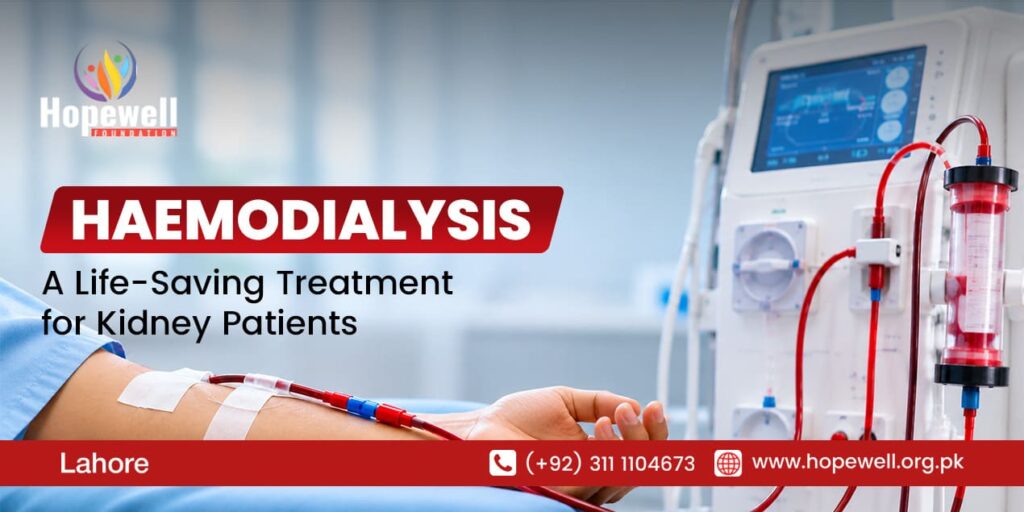
Haemodialysis is a life-saving treatment for patients suffering from kidney failure. The treatment uses a machine called a dialyzer to remove toxins and excess fluid from your blood. People suffering from chronic kidney disease or kidney failure may require dialysis treatment thrice a week to live a healthy and normal life. This article explains what haemodialysis is and how it works. So, let’s start learning about this life-preserving care, as it can help you get more benefits without facing complications.
What is Haemodialysis
Haemodialysis is a medical treatment that performs the same work as done by the healthy kidneys within the body. The treatment is recommended when kidneys completely fail to perform their normal function of removing waste, extra minerals, and extra fluids from the blood. The term haemodialysis breaks down into two major categories, “Haemo – meaning blood” and “dialysis- meaning cleaning”. So, it means cleaning the blood.
The treatment is usually recommended when someone suffers from serious kidney diseases, such as Chronic Kidney Disease, end-stage renal disease, or kidney failure of the last stage – when the kidney only performs 10 to 15% of its function.
When is Haemodialysis Helpful?
Healthy kidneys filter about 50 gallons of blood in a day. When kidneys fail to perform their functions normally, it causes fluid and waste accumulation. This condition results in several medical conditions, such as difficulty breathing, fatigue, nausea & vomiting, confusion or memory issues, and swollen hands and feet. When such symptoms appear, healthcare professionals recommend performing dialysis to prevent life-threatening conditions.
How Does Haemodialysis Work?
Haemodialysis is one of the two major dialysis approaches used worldwide to treat kidney patients. Haemodialysis is the only option if someone suffers from end-stage kidney failure. Here is how the treatment works:
The process starts by creating a vascular access that helps connect patients to the dialysis machine, called a dialyzer. This vascular access serves as the entryway, as well as a return point for blood during the dialysis process. An arterial line is available in the dialyzer machine that helps blood to flow out of the body.
This is the point where a semipermeable membrane separates the blood from a special fluid, called dialysate. Here, excess fluid and waste products, such as creatinine and urea, pass the membrane into the dialysate through diffusion and ultrafiltration. Now, with the help of a venous line, balanced and cleaned blood is safely returned to the body.
What are the Benefits of Haemodialysis?
Haemodialysis is a convenient process that comes with potential benefits:
- Rapid Toxins and Waste Removal: Haemodialysis rapidly lowers blood urea nitrogen and creatinine levels in your blood. It relieves symptoms, including nausea, fatigue, and fluid overload within hours.
- Clinical Supervision in Centers: Haemodialysis treatment is generally conducted in kidney centers or specialized clinics. The treatment is closely monitored by trained staff, including nurses and nephrologists. This real-time supervision ensures immediate intervention in case of complications, such as a drop in blood pressure.
Options for Performing Haemodialysis?
Patients can receive dialysis treatment at home and at a dialysis center, based on their convenience. However, both options have their own pros and cons:
Haemodialysis at Dialysis Centers
Many people choose a dialysis center for haemodialysis treatment. The reason behind this consideration is that dialysis centers are fully equipped and operated by professionals.
For example, healthcare professionals help patients connect with the dialysis machine. Besides this, dedicated staff are available all the time to look after patients at the dialysis centers.
So, if any complication arises, they can respond immediately to avoid problems. However, you need to follow the clinic or dialysis center schedule and need to appear three times a week for the treatment.
Haemodialysis at Home
Compared to haemodialysis, you do not need to follow the clinic timeline or schedule. Patients can follow a flexible schedule to complete their weekly dialysis sessions.
If you follow the standard dialysis process at home, you are required to perform dialysis three times a week. However, you can also perform dialysis on a daily basis at home that requires a 2 – 4-hour session at a time.
Another option is to perform dialysis at night when you sleep. Night time dialysis option requires three to six sessions per week based on your chosen schedule. The treatment may not be as closely monitored as it can be in a dialysis center.
Risks and Complications of Haemodialysis
Complications may arise during and after haemodialysis under certain conditions. The following are some issues dialysis patients may face during or soon after the dialysis session:
- Muscle cramps
- Lower blood pressure
- Headache
- Nausea & vomiting
- Chest pain or shortness of breath
- Bleeding
Remember that not every patient faces all these problems; however, any of them may appear if patients have other health conditions.
Some other conditions may also be seen between treatments and over time, and these include the following:
- Swelling of the access site
- Infection
- Too much fluid
- Mineral changes
- Bone and mineral disease
- Itching
- Anemia
- Amyloidosis
- Sleep or mood changes
Dialysis at Hopewell Foundation
Hopewell Foundation is a dedicated organization that supports kidney patients who cannot afford life-saving treatment. Eligible patients can register to receive free dialysis sessions, helping them lead healthier lives. Powered entirely by donations, the foundation invites you to share your Sadaqah, Zakat, and charitable gifts to bring hope and care to those in need. Donate today to join this noble mission and help save precious lives.
Frequently Asked Questions
How does haemodialysis work?
Haemodialysis is a treatment to eliminate excess fluid and toxins from your blood. The treatment is required when patients’ kidneys fail to perform their normal function.
What are the advantages of Haemodialysis?
Haemodialysis can rapidly remove toxins and wastes from your blood. It is usually performed in a dialysis center and is completely monitored by healthcare professionals.
Can I perform haemodialysis at home?
Yes, you can perform haemodialysis at home with a flexible schedule. However, the treatment is not as closely monitored as it can be in a dialysis center.
What is a vascular access for haemodialysis?
A vascular access is a minor surgical entry point, usually in your arm, that lets blood safely leave and return to your body during dialysis treatment.
Is haemodialysis a safe treatment process?
Yes, haemodialysis is a routinely performed, life-saving procedure closely monitored by medical staff to ensure your safety and comfort throughout every session.
 By