
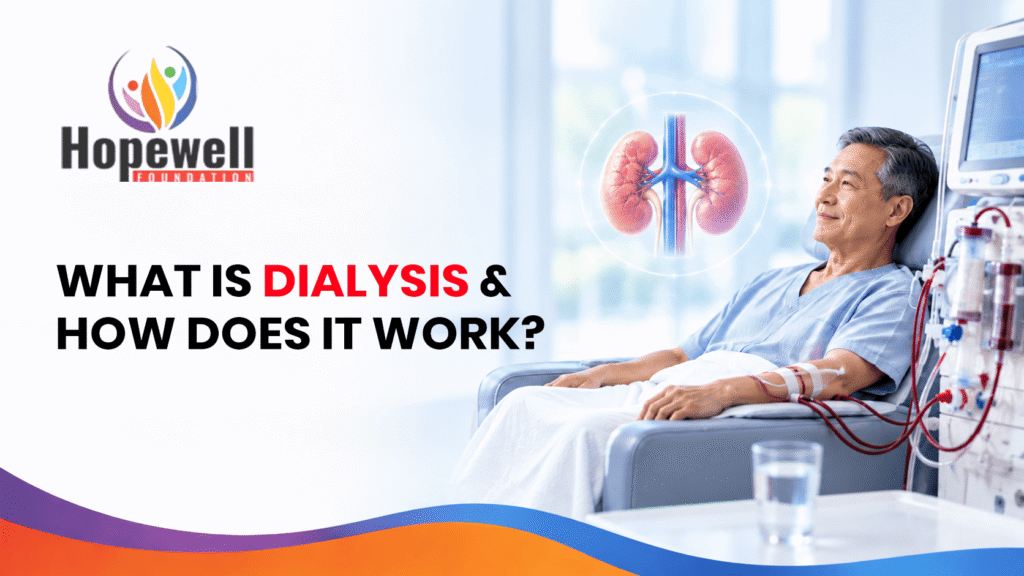
Dialysis is a life-saving treatment for those suffering from chronic kidney disease or kidney failure. The treatment removes waste and excess fluids from the body, which the kidneys can no longer do.
Generally, there are two types of dialysis, helping remove toxins to keep your body healthy. Remember that not performing or skipping dialysis when your kidneys are failing can lead to dangerous buildups of waste, toxins, and excess fluid in the body. The situation may lead to death within days or weeks, depending on the remaining kidney function.
This article is a detailed account of what dialysis is, how it works, and the common types of this treatment. It will help you know the process and choose the best type based on patients’ condition and lifestyle:
What is Dialysis?
Dialysis is a medical treatment that acts as an artificial replacement for healthy kidneys.
When a person’s kidneys fail or are severely damaged, they can no longer properly filter waste, toxins, and excess fluids from the blood.
Dialysis uses a machine or a special liquid to perform this filtering process, keeping the body’s fluid and chemical levels balanced so the person can stay alive and healthy.
When is Dialysis Needed?
Dialysis is needed in case of severe kidney disease. There are two types of kidney diseases: short-term or acute kidney disease and long-term or chronic kidney disease. We need to understand the kidney diseases first:
Acute Kidney Disease: Acute injury happens when your kidneys fail to perform temporarily. This short-term kidney disease results from an accident or illness. Patients are required to go through dialysis treatment for a short period to recover from the disease. Acute kidney injury is curable.
Chronic Kidney Disease: If your kidneys are affected severely and are not performing their task for more than three months, you may be suffering from chronic kidney disease. Dialysis is the only option when your kidneys are severely damaged. Chronic kidney disease makes it hard to live a normal life. Patients require lifetime dialysis treatment unless they have a kidney transplant.
What are the Types of Dialysis?
There are two major types of dialysis treatment, including haemodialysis and peritoneal dialysis:
Haemodialysis
Haemodialysis is the most common treatment process. The process requires a dialyzer that filters excess fluid, waste, and salt from the patient’s blood. The treatment is performed in a dialysis center, and patients need to appear three times a week for the treatment. Each dialysis session takes about four hours to be done. Remember that haemodialysis is possible for patients who meet certain criteria:
How does Haemodialysis work?
Haemodialysis treatment requires a few simple steps:
- To perform haemodialysis, a surgeon establishes vascular access using a fistula, graft, or catheter. Usually, this access point is established in the arm.
- The patient’s blood is drawn from the body, filtered through an artificial kidney called a dialyzer, and then returned to the body.
- The filtration process eliminates unnecessary waste from the blood, while keeping electrolyte and fluid balance.
What are the benefits of Haemodialysis?
Haemodialysis treatment comes with several benefits, including;
- It is a quick and effective process to eliminate toxins from your blood/body
- It is managed by healthcare professionals in a clinic or dialysis center
- The treatment process can also be performed at your home
Peritoneal Dialysis
Peritoneal dialysis is a home-based treatment for kidney patients. The process uses the peritoneum ( the lining of the abdomen) to filter waste from the patient’s blood. The treatment is dissimilar to haemodialysis and does not require a machine or dialyzer to filter out blood. Healthcare professionals use a special dialysis fluid and use a catheter to infuse it into the patient’s abdomen.
How does peritoneal dialysis work?
A simple method is used to perform peritoneal dialysis:
- Healthcare professionals insert a catheter surgically into the patient’s abdomen.
- Then dialysis fluid is introduced into the peritoneal cavity, where it removes waste.
- After a few hours, healthcare professionals drain the dialysis fluid and replace it with a fresh solution.
What are the benefits of peritoneal Dialysis?
There are several benefits of performing peritoneal dialysis:
- It can be performed at home and offers greater flexibility
- Patients are no longer required to visit the clinic or dialysis center several times a week
- Compared to haemodialysis, peritoneal dialysis is gentler to the body
How Does Hopewell Foundation Treat Dialysis Patients?
Hopewell Foundation is a dedicated organization that focuses on Kidney patients from across the country. The organization provides kidney patients with a state-of-the-art medical facility to ensure the following services:
- Free Medical Consultation
- Free Dialysis Sessions
- Free Medicines and Lab Tests
- Advanced Machinery
- Qualified Doctors and Staff
- Clean and Healthy Environment
The organization provides free, life-saving treatment to all patients who really deserve it or cannot afford the treatment expense.
To continue this lifesaving work, we rely on donations from generous supporters to fulfill our mission. You can also donate to Hopewell Foundation today to be a part of this noble mission and help bring hope and healing to kidney patients in need.
Frequently Asked Questions
When do you need to perform dialysis?
Dialysis is required when your kidneys suffer from chronic kidney disease. During chronic kidney disease, the kidneys fail to remove toxins and extra fluids from your blood. An artificial process called dialysis is used to clean the blood.
How many times should dialysis be performed?
Patients with chronic kidney disease or kidney failure require 3 dialysis sessions a week to live a healthy life.
What causes kidney failure?
Diabetes, high blood pressure (hypertension), glomerulonephritis, polycystic kidney disease (PKD), and autoimmune diseases are considered the major causes, resulting in chronic kidney disease or kidney failure.
How does Hopewell Foundation support kidney patients?
Hopewell Foundation provides deserving kidney patients with free-of-cost, life-saving dialysis treatment.
How can I support kidney patients?
You can support kidney patients by donating for dialysis expenses to Hopewell Foundation. You can also sponsor equipment (a dialyzer) or can support a specific patient who cannot bear the expense of three dialysis sessions a week.
 By
By