In Pakistan, thousands of kidney patients rely on Dialysis to stay alive. At Hopewell Foundation, we believe that everyone deserves life-saving treatment to stay healthy. Learn how dialysis works and how you can make a real impact on people’s lives!
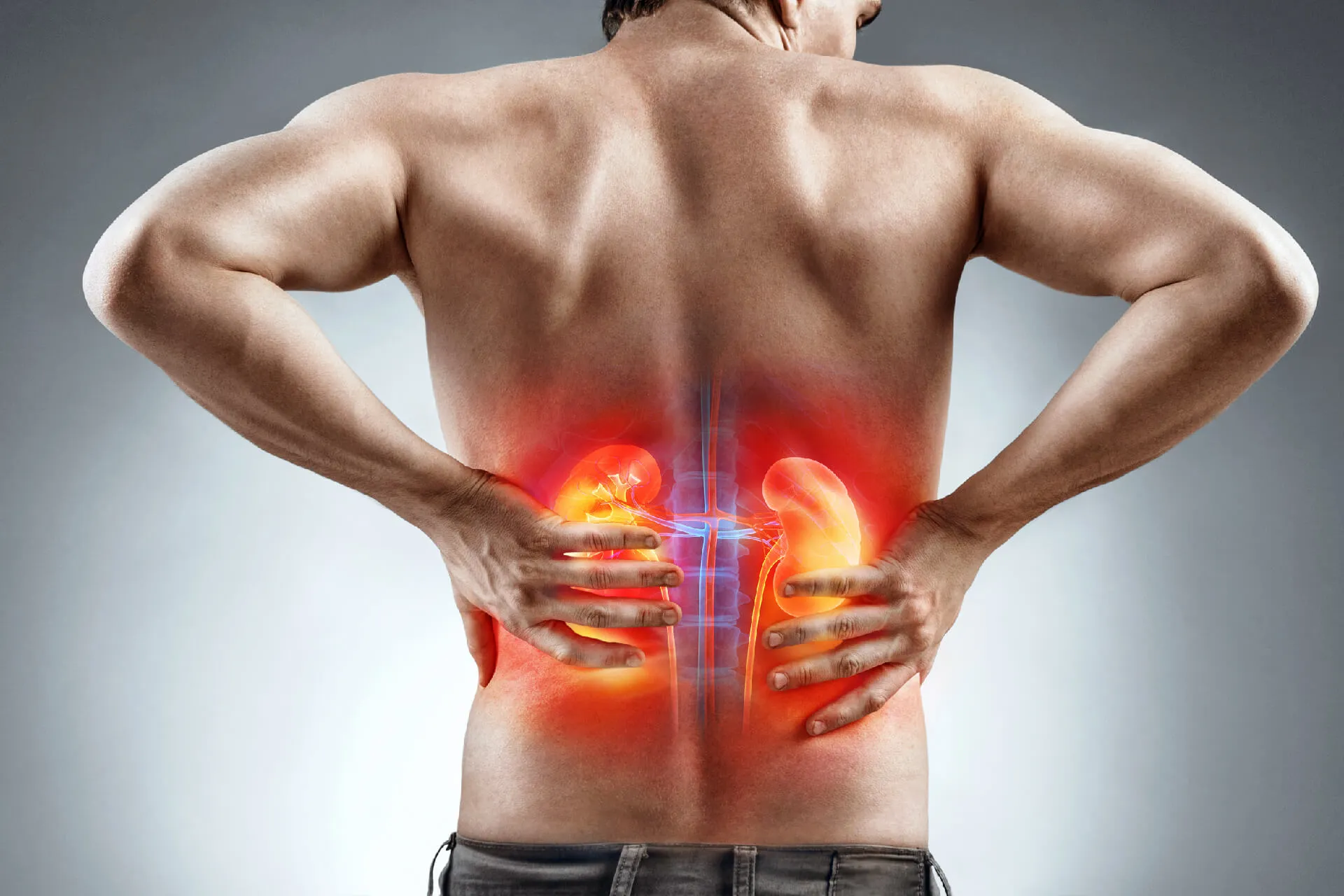
Dialysis is a treatment designed for people whose kidneys are no longer able to perform their normal functions. Our kidneys filter out our blood and eliminate wastes and toxins from the blood. Common wastes kidneys remove from our blood include nitrogen wastes (urea), muscle waste (creatinine), and other acids.
The first dialysis was held in the 1940s, and in the 1970s, it became a standard treatment for patients suffering from chronic kidney disease or kidney failure. Since then, millions of patients have been surviving worldwide with the help of dialysis treatment.
Dialysis can be done anywhere; however, it is usually performed in hospitals and dialysis centers in Pakistan. Moreover, it has also been seen that Dialysis is performed in the houses, where proper equipment is available.
Dialysis works by filtering the blood and eliminating wastes, salt, and extra water from the blood. The process helps keep the right balance chemical within the body, like calcium, potassium, and sodium. Without dialysis treatment, wastes can build up or remain in the body, causing serious health problems, even leading to death in serious cases.
There are two main types of dialysis: hemodialysis and peritoneal dialysis. Both types work differently, with the same purpose: to eliminate waste from your body or blood.
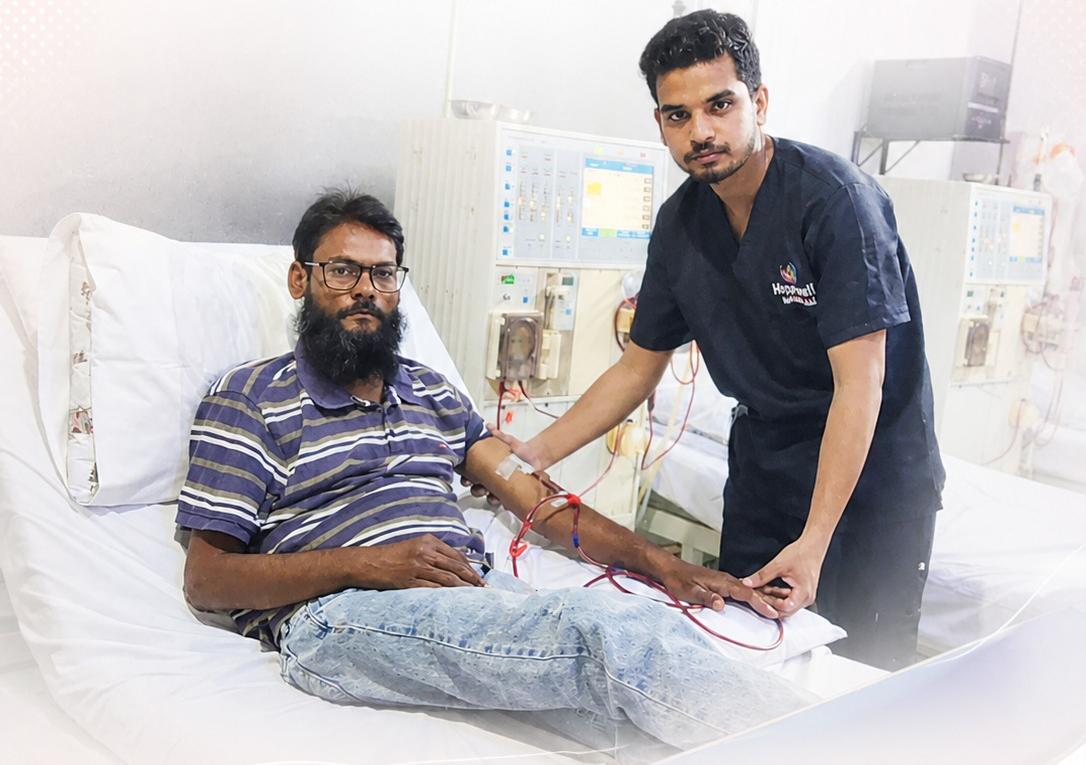
In hemodialysis, a machine is used to remove waste and extra fluid from your blood. The filtered blood then returns to the body. Before starting hemodialysis, a minor surgery is needed during which a vascular site is created - which is an opening into one of your blood vessels, available in the arms. This opening helps get blood from the body and then return it to the back. Hemodialysis can be done in dialysis centers and at home. It usually takes 4 hours to complete a dialysis session, and at least 3 dialysis sessions are required per week. Some people may require more sessions, depending on their condition.
In peritoneal dialysis, the blood is filtered within the body, instead of using a dialyzer. In this process, the lining of your body, also known as the peritoneum, is used as a filter. Before starting peritoneal dialysis, a small surgery is required to place a soft tube, also known as a catheter, in your belly. During the dialysis session, the belly is filled with a cleansing fluid, which is known as dialysate and is made up of salt, water, and other additives. This dialysate is entered through a catheter. When the blood naturally flows from the belly, the dialysate pulls out the extra waste from the blood vessels. The treatment process takes a few hours, and after that, the fluid is drained from the body by using a catheter. Peritoneal dialysis can be done anywhere if you have the proper supplies required to perform it. The hemodialysis treatment is not painful; however, you may feel a slight pinch during the treatment when the dialyzer operator or healthcare provider inserts needles. Similarly, the peritoneal dialysis is also not a painful process; however, dialysate in your body may make you feel bloated, cold, and uncomfortable.
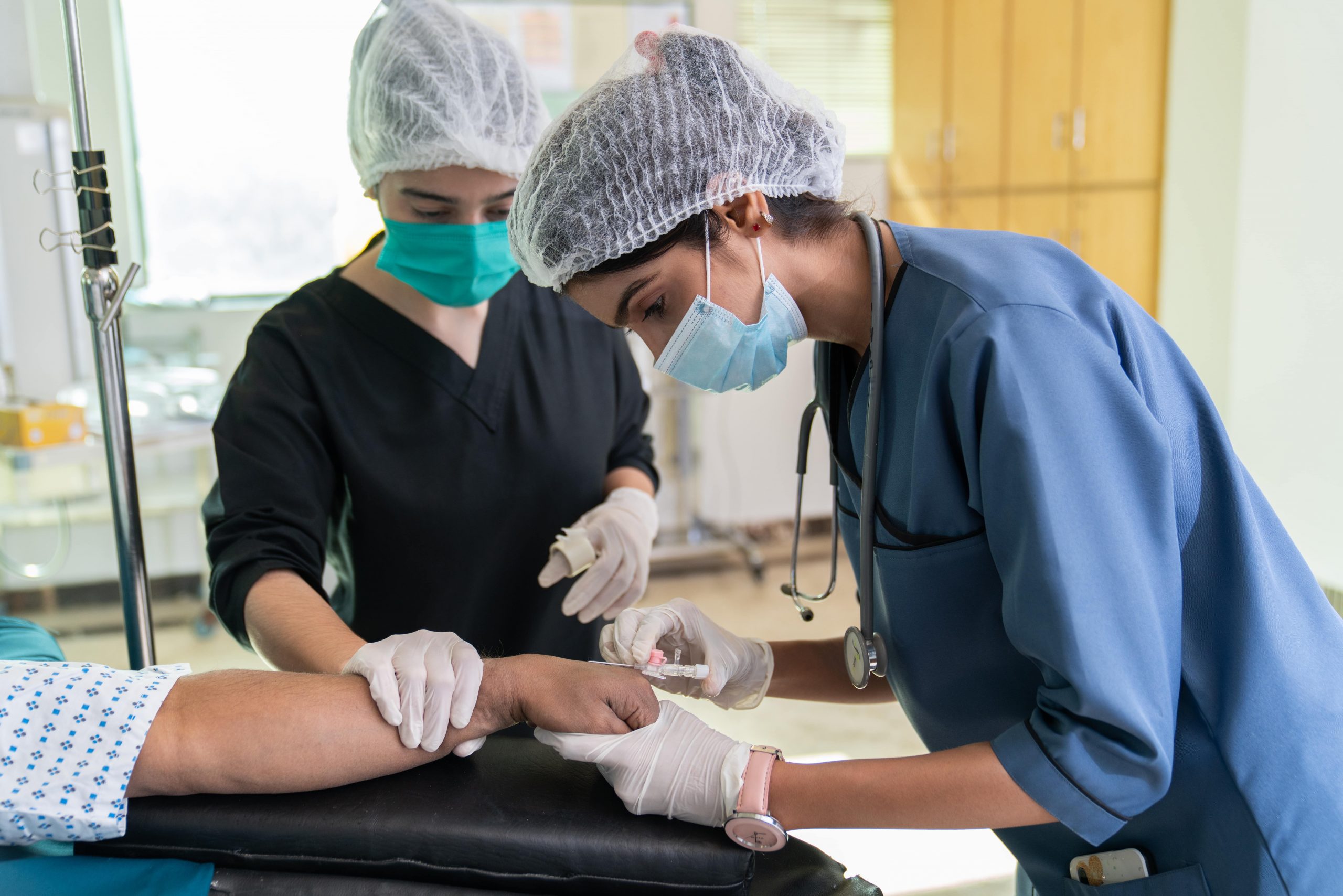
Hopewell Foundation works to provide poor dialysis patients with free treatment. We have done dialysis sessions for around 28,000 patients within the last three years, and the mission of relieving kidney patients is still ongoing. We have a well-equipped setup and professional staff to perform dialysis without any disruption and complications. We are facilitating deserving patients from across the country. Visit us and see how we work to relieve kidney patients.
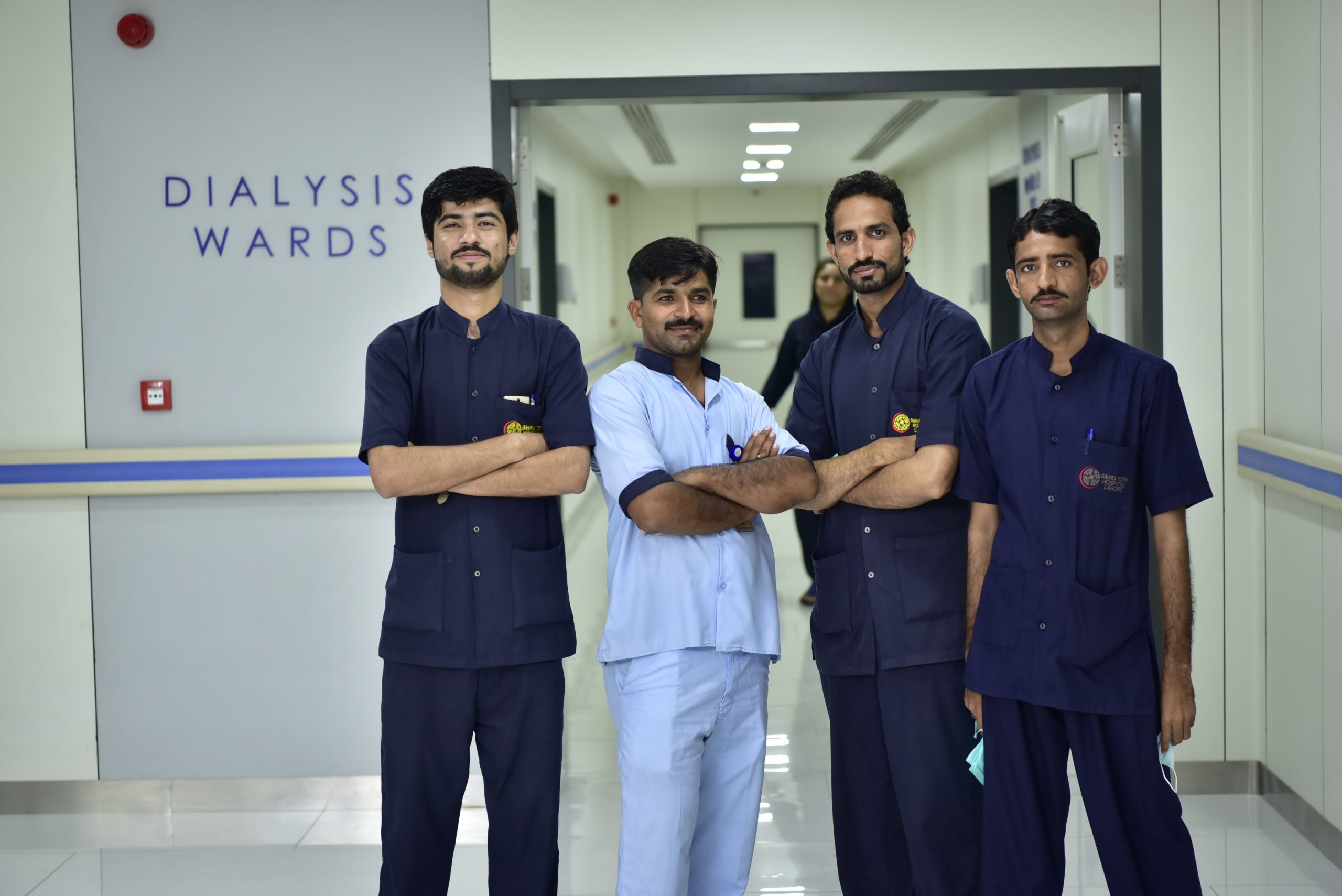
Hopewell Foundation receives donations to ensure free dialysis treatment for patients who cannot afford it. We receive donations in the form of Zakat, Fitrana, Sadaqah, and any other form of charity.
You can support dialysis patients by sponsoring them with any of these costs. Remember that your donations not only support dialysis patients but can also be the reason you seek forgiveness from Allah and receive rewards from Him hereafter. So, donate today and secure blessings in this life and the next.
Dialysis is a treatment for kidney patients suffering from chronic kidney disease or kidney failure. The treatment is required when your kidneys cannot perform their normal functions of filtering blood. During a dialysis session, a machine or particular fluid is used to remove waste and extra water from your blood.
Usually, dialysis is performed into two main categories, including hemodialysis and peritoneal dialysis. In hemodialysis, a machine or dialyzer is used to remove waste and extra water from your blood. However, in peritoneal dialysis, a specific fluid is placed in your belly, and the extra waste and water are pulled out from the blood through this fluid.
The estimated cost of a dialysis machine in Pakistan ranges from 1 million to 3 million.
It takes around 4 hours to complete a dialysis session, and patients require 2 to 3 sessions or more per week, depending on their conditions.
You can support kidney patients by sponsoring a dialysis machine for the Hopewell Foundation. Besides this, you can also donate your Zakat, Fitrana, Sadaqah, and other charity funds to sponsor medications and other supplies for dialysis patients.

Hopewell Foundation – Copyright 2026
 By NKU Technologies.
Hopewell
Typically replies within minutes
Any questions?
WhatsApp Us
Online | Privacy policy
WhatsApp us