Kidneys work silently throughout the day to keep us healthy. But Thousands of kidney patients struggle to afford their life-saving treatment. Your support can give them hope and a second chance at life. Donate to us and help them live a happy life.
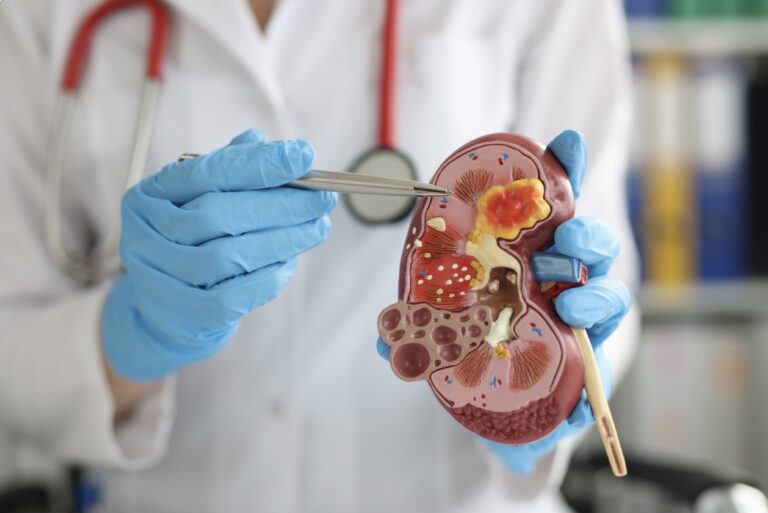
Kidneys are small organs, but they play a major role in keeping our body healthy. Kidneys filter waste and excessive fluid from our blood to maintain the right balance of water, salts, and nutrients. They also control blood pressure and take part in the production of red blood cells.
Kidney problems often develop quietly, and ignoring the symptoms may cause serious issues. This is why kidney health awareness and early actions matter. By understanding how our kidneys work and what puts them at risk, we can take simple steps today to not only protect our kidneys but void long-term complications.
Our kidneys play many important functions. They eliminate toxins and wastes from our blood. The common waste products kidneys remove include nitrogen waste, such as urea, and muscle wastes, such as creatinine. Besides this, they also remove certain acids that can be harmful to our bodies. It is estimated that our kidneys filter about a half cup of blood every minute. Here is how the filtration and waste removal process happens:
Blood enters the kidneys through a large blood vessel called the renal artery.
Kidneys contain tiny blood vessels that filter the blood.
The filtered blood returns to the bloodstream through another large blood vessel called the renal vein.
Pee travels through the ureters to the bladder, where it is stored. The stored urine then leaves the body during urination.
Kidneys are the most important organs of our bodies, without which life is not possible. According to the ISN report, more than 850 million people worldwide are suffering from kidney diseases. Understanding kidney health and symptoms can help people detect the problem early. This proactive approach can help avoid serious complications. Here is why kidney health awareness matters a lot.
Unfortunately, chronic kidney diseases, such as kidney failure, have no proper treatment plans. Kidney failure patients require regular dialysis sessions that are too costly and are not affordable for everyone. Kidney health awareness keeps people aware of their kidney health, helping them avoid chronic diseases that cost too much.
The early stages of kidney diseases show no major symptoms. Kidney health awareness campaigns can encourage testing of high-risk individuals having diabetes, hypertension, or a family history. This early detection can help them cover any symptoms they have.
Kidney health awareness sessions encourage people to stay healthy or have a healthy lifestyle that can surely help them avoid serious kidney diseases.
Certain causes can cause kidney diseases. Below are the common kidney diseases found in Pakistani people:
Chronic kidney disease is a serious kidney disorder that can lessen kidney function. High blood pressure and diabetes are the common causes of chronic kidney disease.
Kidney cancer is a state where cells mutate and start growing uncontrollably to form tumors. The most common form of kidney cancer is renal cell carcinoma.
Also known as renal failure, it can be an acute or chronic condition. End-stage renal disease is a complete loss of kidney function.
Kidney infections occur due to bacteria when they enter the kidneys by travelling up the ureters. Bacterial infections cause sudden symptoms.
Stones that form within the kidneys or ureters can block urine flow. There are certain causes of stone creation; however, the major one is concentrated urine due to low fluid intake.
Kidney cysts occur when fluid-filled sacs grow on your kidneys. They may be benign or malignant.
This is a genetic condition that causes cyst formation in the kidneys. The condition may lead to high blood pressure and kidney failure.
This is a genetic condition that causes cyst formation in the kidneys. The condition may lead to high blood pressure and kidney failure.

Certain reasons can cause kidney diseases. Chronic diseases happen when kidney fails to perfomr its functions. Below are the common causes and risk factors of developing kidney diseases. Having awareness related to these causes and risk factors can help detect the issues early and take actions accordingly to recover from the diseases:
To diagnose kidney diseases, healthcare professionals follow several tests and screening procedures. The tests are suggested based on the patient’s condition. Below are the common diagnostic stages to detect kidney problems:
Kidney cysts occur when fluid-filled sacs grow on your kidneys. They may be benign or malignant.
A urine test is taken to determine what is causing problems in your kidneys
Imaging tests are performed to take a complete view of the kidneys. It shows the structure and size of the kidneys, helping diagnose the problems.
Kidney tissue test or kidney biopsy is another screening procedure to evaluate your kidney health. Healthcare professionals take tissues from your kidney and test them in the laboratory to examine the real problem.
Chronic kidney diseases develop symptoms slowly over time. However, understanding the common signs and symptoms of kidney diseases can help detect the issues early and take action accordingly to avoid the chronic conditions. Chronic kidney disease may result in the following conditions:
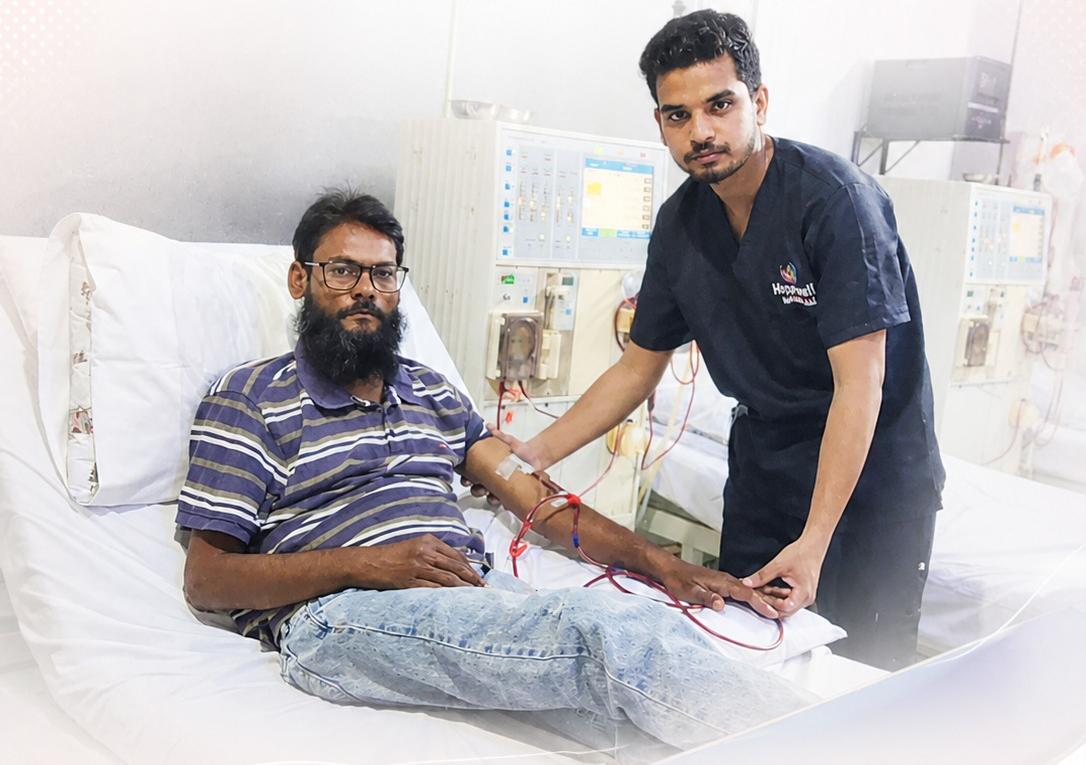
At Hopewell Foundation, we are serving hundreds of kidney patients. We manage regular dialysis sessions, medicines, and medical equipment to manage treatment procedures. Your support can help us manage regular blood supply, medication, and equipment betterment for deserving patients who cannot afford their treatment. Donate now and bring hope to those who are living in deprivation.
Certain conditions can cause kidney diseases. However, diabetes (type 1 and 2), high blood pressure, autoimmune diseases, and certain medications can cause kidney diseases.
Doing regular checkups and managing high blood pressure and sugar levels can help you prevent kidney diseases.
According to healthcare professionals, stage 5 Chronic Kidney Disease requires regular dialysis sessions. Usually, healthcare professionals recommend dialysis when your kidney only performs 10 to 15% of their functionality.
Hopewell Foundation provides complete consultation and treatment plans for deserving or poor patients who cannot afford their treatment expenses.
We collect charity funds to manage treatment expenses. You can share your Zakat, Fitrana, Sadaqah, and other forms of charity to help us support and treat kidney patients.


Hopewell Foundation – Copyright 2026
 By NKU Technologies.
Hopewell
Typically replies within minutes
Any questions?
WhatsApp Us
Online | Privacy policy
WhatsApp us